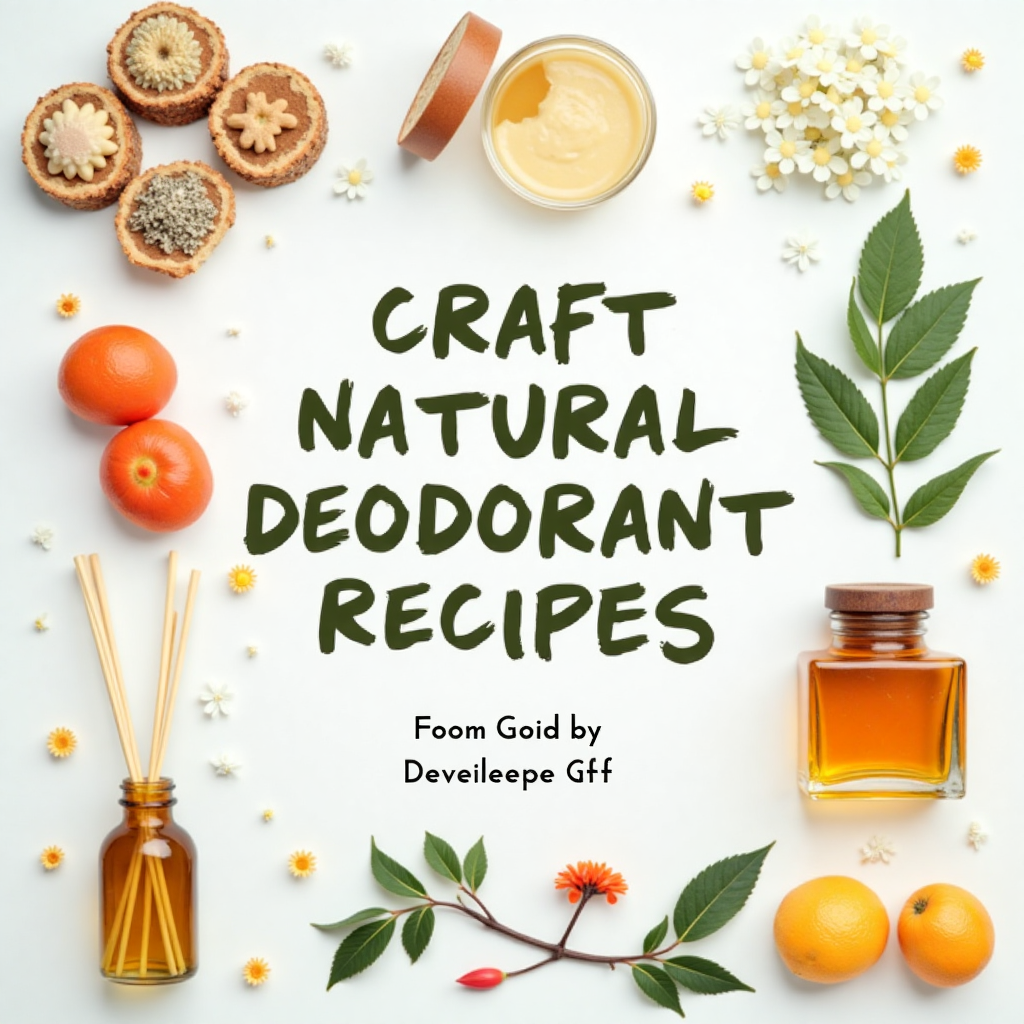
Craft Your Scent: A Complete Guide to Effective Natural Deodorant Recipes
For many of us, the journey to a more natural lifestyle often hits a snag at the bathroom cabinet, specifically with that stick of conventional deodorant or antiperspirant. Concerns about aluminum compounds, parabens, phthalates, and synthetic fragrances have driven a surge in interest in natural alternatives. While the market now offers many commercial natural deodorants, there’s something uniquely satisfying about creating your own. Crafting your own natural deodorant puts you in complete control of the ingredients, allows for endless scent customization, and is surprisingly simple and cost-effective. This guide draws on a decade of wellness blogging to provide you with trusted recipes, critical insights, and the knowledge you need to successfully transition to a homemade solution that truly works.
Why Go Natural? Understanding the Basics
Before we dive into the mixing bowls, it’s crucial to understand what we’re making and how it differs from what you might be used to. First, a key distinction: antiperspirants are designed to stop sweat, while deodorants are designed to stop odor. Most conventional products are antiperspirants that use aluminum-based compounds to temporarily block sweat ducts. Natural deodorants, on the other hand, do not prevent perspiration—a healthy and necessary bodily function—but instead neutralize odor and often absorb moisture.
Sweat itself is mostly odorless. The unpleasant smell is created when bacteria on our skin break down the sweat. A successful natural deodorant tackles this process in three ways: absorption, bacterial inhibition, and scent masking. Your DIY recipes will use ingredients that excel in one or more of these areas. Embracing natural deodorant also means embracing a brief “detox” period for some individuals. As your body adjusts to not having its pores blocked, it may release built-up toxins, leading to a temporary period of increased wetness or odor. This typically lasts 2-4 weeks, so patience and consistency are key!
Your Natural Deodorant Pantry: Key Ingredients Explained
The magic of DIY lies in the ingredients. Each component in your recipe serves a specific purpose. Understanding these will empower you to tweak recipes to perfection.
The Absorbent Base
This is the cornerstone of your deodorant, providing dryness by soaking up moisture.
- Arrowroot Powder or Cornstarch: These fine, silky powders are excellent for absorbing moisture and creating a smooth texture. Arrowroot is often preferred for its gentleness, especially for sensitive skin.
- Baking Soda (Sodium Bicarbonate): The superstar of odor neutralization. Baking soda is highly alkaline, creating an environment where odor-causing bacteria struggle to thrive. Note: It can be irritating for some, so we’ll discuss alternatives.
- Bentonite or Kaolin Clay: These minerals not only absorb moisture and oils but also help draw impurities from the skin. They add a lovely, creamy consistency to paste-style deodorants.
The Bacterial Fighters & Moisture Barriers
These ingredients tackle odor at its source and protect your skin.
- Coconut Oil: A multi-tasking marvel. Rich in lauric acid, coconut oil has natural antimicrobial properties that combat odor-causing bacteria. It also serves as the perfect binding agent for solid deodorants and leaves skin moisturized.
- Shea Butter or Cocoa Butter: Added for extra creaminess and skin-nourishing benefits. They help create a firmer solid stick and provide a protective, moisturizing barrier.
The Scent & Soothing Squad
This is where you get creative, customizing your deodorant to your personal preference.
- Essential Oils: These provide natural fragrance and often bring additional antibacterial properties. Tea Tree and Lavender are powerful antiseptics. Citrus oils like Bergamot are uplifting, while Sandalwood and Patchouli offer earthy, grounding scents. Always use 100% pure, therapeutic-grade oils.
- Vitamin E Oil: A natural preservative that helps extend the shelf life of your oil-based deodorant and is wonderful for soothing the skin.
Three Tried-and-Tested Natural Deodorant Recipes
Now for the fun part! Here are three foundational recipes, ranging from a simple beginner’s paste to a luxurious solid stick. Always perform a patch test on the inside of your elbow before full application to check for any skin sensitivity.
Recipe 1: The Simple Starter Paste (No Baking Soda)
Ideal for those with sensitive skin or anyone new to natural deodorant. This gentle recipe uses arrowroot and coconut oil as its base.
Ingredients:
- 3 tablespoons organic coconut oil (softened)
- 2 tablespoons arrowroot powder
- 2 tablespoons bentonite clay
- 10-15 drops of your preferred essential oil (Lavender is a great choice)
Instructions: In a small bowl, mix the arrowroot powder and bentonite clay. Gradually add the softened coconut oil and essential oils, stirring until a smooth, thick paste forms. Store in a small glass jar. To use, simply swipe a pea-sized amount with your fingers.
Recipe 2: The Classic Baking Soda Solid Stick
This is the most popular and effective formula for many. The beeswax helps it hold its shape in a deodorant container.
Ingredients:
- 1/4 cup coconut oil
- 1/4 cup arrowroot powder
- 2 tablespoons baking soda
- 2 tablespoons beeswax pellets
- 1 tablespoon shea butter
- 20 drops essential oil (e.g., 10 Tea Tree, 10 Lavender)
Instructions: Using a double boiler, gently melt the coconut oil, beeswax, and shea butter together. Once fully liquid, remove from heat. Quickly whisk in the arrowroot powder and baking soda until no lumps remain. Stir in your essential oils. Carefully pour the mixture into an empty deodorant stick container or a small jar. Let it sit uncovered until completely firm and cool (several hours).
Recipe 3: The Magnesium-Rich Cream Deodorant
This recipe incorporates magnesium oil, which is believed to help with odor control and also provides transdermal magnesium absorption, which can be calming for muscles and nerves.
Ingredients:
- 1/4 cup coconut oil
- 2 tablespoons magnesium oil (not flakes)
- 2 tablespoons arrowroot powder
- 1 tablespoon baking soda (optional, can omit for sensitivity)
- 15 drops essential oil (Frankincense and Orange are a lovely combo)
Instructions: In a bowl, blend the coconut oil, arrowroot powder, and baking soda (if using) into a paste. Slowly drizzle in the magnesium oil while whisking continuously to emulsify. Finally, stir in the essential oils. The texture will be a creamy, lotion-like consistency. Store in a jar with a lid.
Pro Tips for Success and Troubleshooting
Even with the best recipes, a few insider tips can make all the difference in your DIY deodorant journey.
- Adjust for Sensitivity: If you experience irritation (often from baking soda), reduce the amount by half or replace it entirely with more arrowroot powder or kaolin clay.
- Seasonal Consistency: Coconut oil melts at around 76°F (24°C). In summer, your deodorant may become softer. Store it in a cooler place. In winter, it may become very hard. Before applying, simply warm the stick for a second against your skin or scoop a tiny bit and warm between your fingers.
- Application is Key: Apply to completely clean, dry skin for best results. A small amount goes a long way. For paste or cream versions, use a fingertip or a small reusable silicone spatula.
- Stain Warning: Some oils can stain clothing. Apply sparingly and allow a minute to absorb/dry before dressing.
- Shelf Life: Due to the natural ingredients, these deodorants are best used within 6 months. Store in a cool, dark place to preserve the integrity of the oils.
Embracing the Natural Shift
Transitioning to a homemade natural deodorant is more than just swapping one product for another; it’s a step towards mindful self-care and ingredient awareness. It requires a willingness to listen to your body, experiment, and find the perfect balance that works for your unique chemistry. The initial adjustment period is a small investment for the long-term benefits of knowing exactly what you’re putting on your skin every day.
Remember, perfection isn’t the goal—finding a safe, effective, and personally pleasing alternative is. Start with the simple paste, play with scents that uplift you, and don’t be afraid to adjust ratios. With these recipes and insights, you’re well-equipped to craft a deodorant that is not only effective but also a true reflection of your commitment to natural well-being. Here’s to taking control, one wholesome ingredient at a time.
