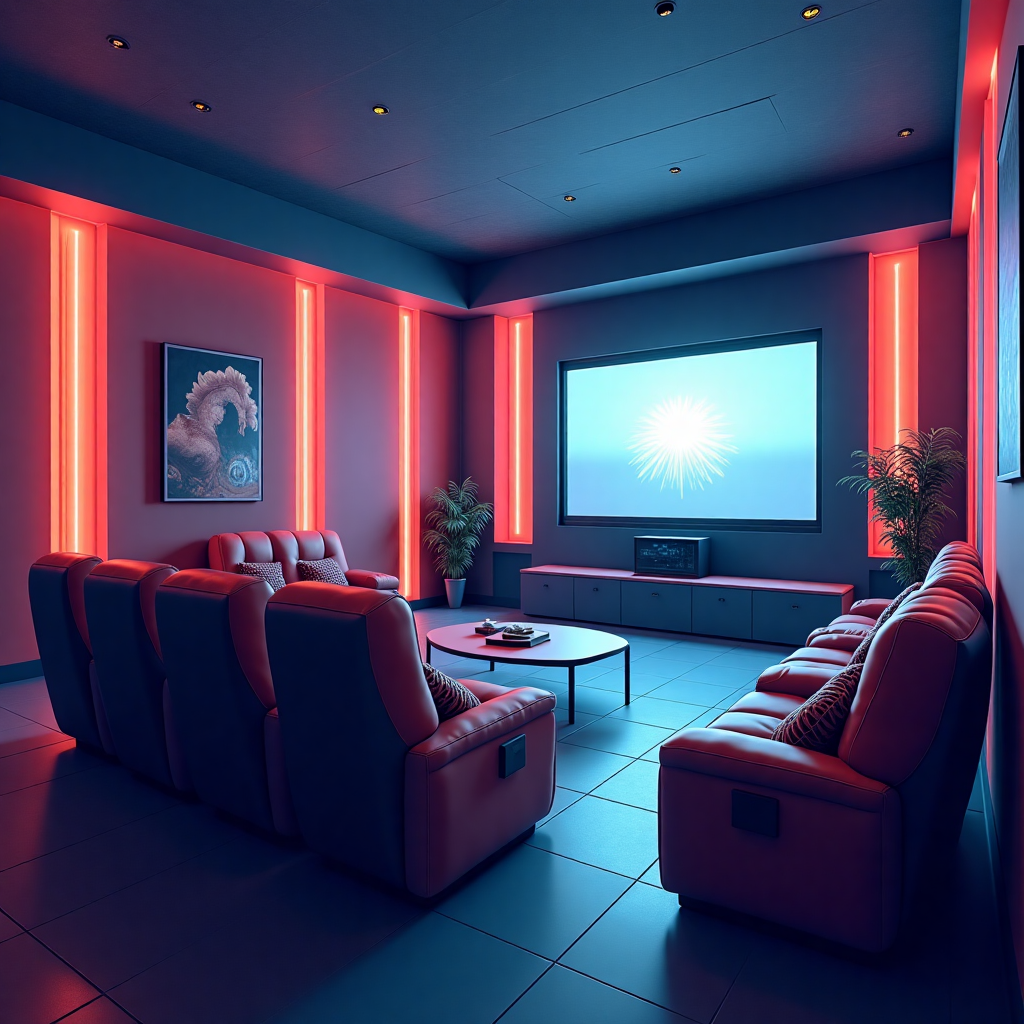
Transform Your Home into a Cinematic Experience: A Comprehensive Guide to Setting Up the Perfect Home Theater
Imagine curling up on a cozy couch or sinking into a luxurious recliner, surrounded by the immersive sound of a movie’s score, with a crystal-clear image filling the screen in front of you. That’s the magic of a well-designed home theater setup. Whether you’re a casual movie watcher or a die-hard film enthusiast, creating a home theater can elevate your entertainment experience to new heights. In this article, we’ll walk you through everything you need to know to set up a home theater that rivals a professional cinema. From choosing the right equipment to optimizing your room’s acoustics and lighting, we’ll cover the essentials to help you create a space that’s perfect for movie nights, sports events, or even gaming sessions.
The Basics of a Home Theater Setup
A home theater setup is more than just a TV and some speakers. It’s a carefully curated collection of components that work together to deliver an exceptional audiovisual experience. The core elements of a home theater include:
- Video Display: This is the heart of your home theater. Whether it’s a large flat-screen TV, a projector, or a high-end monitor, the video display should be capable of delivering sharp, vibrant images with excellent contrast and color accuracy.
- Sound System: A good sound system is what makes the difference between a regular TV experience and a cinematic one. This can range from a simple soundbar to a full-fledged 5.1 or 7.1 surround sound setup with multiple speakers and a subwoofer.
- Seating: Comfort is key in a home theater. Invest in seating that allows you to relax and enjoy the movie without discomfort. Recliners, theater-style chairs, or even a sectional sofa can work, depending on your space and budget.
- Room Design: The layout of your room plays a significant role in the overall experience. Proper placement of the display, speakers, and seating is essential to ensure optimal viewing and listening angles.
- Lighting: Lighting can make or break the atmosphere of your home theater. Consider using dimmable lights or blackout curtains to create the perfect environment for watching movies.
- Additional Accessories: This includes items like a media server, Blu-ray or 4K Ultra HD player, HDMI cables, and even a popcorn machine to enhance the experience.
When planning your home theater setup, it’s important to consider your room’s size and shape. A small room might require a compact TV and soundbar, while a larger space could accommodate a projector and a full surround sound system. Budget is also a key factor, as high-end components can be quite expensive. However, you don’t need to break the bank to create a great home theater experience—there are plenty of affordable options that deliver excellent performance.
Choosing the Right Components for Your Home Theater
Selecting the Perfect Video Display
One of the most critical decisions in setting up a home theater is choosing the right video display. There are two main options: a TV or a projector. Here’s a breakdown of the pros and cons of each:
- TVs: Modern TVs offer stunning picture quality, with options like 4K, HDR, and OLED technology. They are also easier to set up and maintain compared to projectors. However, TVs can be limited by their screen size, and larger models can be quite expensive.
- Projectors: Projectors provide a larger screen size, which is ideal for a cinematic experience. They are also more versatile, as you can adjust the image size depending on your room’s dimensions. However, projectors require a dark room to perform at their best, and they can be more complex to set up and calibrate.
For most home theaters, a 55-inch or larger TV is a great starting point. If you have the space and budget, consider a 65-inch or even a 75-inch model for a more immersive experience. If you’re opting for a projector, make sure your room can be made sufficiently dark, and invest in a high-quality screen to ensure the best image quality.
Building a Stellar Sound System
Sound is just as important as video in a home theater setup. A good audio system can make you feel like you’re right in the middle of the action, whether it’s the roar of a crowd in a sports movie or the whispers of characters in a drama. Here are some considerations when building your sound system:
- Soundbars: Soundbars are a great option for those looking for a simple, plug-and-play solution. They often include a subwoofer and multiple speakers in a single unit, making them easy to set up and integrate with your TV.
- Surround Sound Systems: For a more immersive experience, a surround sound system with multiple speakers and a subwoofer is the way to go. These systems can provide 5.1, 7.1, or even 9.1 channel audio, depending on your setup.
- Wireless vs. Wired: Wireless speaker systems offer the convenience of not having to run cables across your room, but wired systems often provide better sound quality and more precise control over the audio setup.
- Placement: Proper speaker placement is essential for optimal sound. In a surround sound setup, the front speakers should be positioned at ear level, and the rear speakers should be placed to create a sense of envelopment.
When choosing a sound system, consider the size of your room and the type of content you’ll be watching. If you’re a fan of action movies or gaming, a system with a powerful subwoofer and good low-frequency response is essential. For music or dialogue-heavy movies, focus on clear, accurate mid and high frequencies.
Enhancing Your Setup with Additional Accessories
While the core components are essential, additional accessories can take your home theater experience to the next level. Here are some items to consider:
- Media Server: A media server allows you to store and stream all your movies, TV shows, and music in one place. This can be a standalone device or a computer running media server software.
- 4K Ultra HD or Blu-ray Player: To take full advantage of your video display, invest in a high-quality 4K Ultra HD or Blu-ray player. These devices can deliver stunning video and audio quality that far surpasses standard HD.
- HDMI Cables: Make sure you have the right HDMI cables to connect all your devices. HDMI 2.1 cables are ideal for 4K and high-refresh rate setups.
- Popcorn Machine: No home theater is complete without the perfect snack. A built-in popcorn machine can add a fun, cinematic touch to your setup.
- Home Theater Software: If you’re setting up a custom home theater PC, consider using software like Kodi or Plex to organize and stream your media collection.
These accessories can enhance the functionality and enjoyment of your home theater setup, making it more convenient and immersive for all your entertainment needs.
Creating an Optimal Viewing Environment
Room Design and Layout
The design of your room is crucial for creating a home theater experience. Here are some tips for optimizing your space:
- Seating Arrangement: Position your seating so that everyone has a clear view of the screen. Avoid placing seats too close or too far from the display, and ensure that the viewing angle is comfortable for all.
- Screen Placement: The screen should be centered in the room and positioned at the appropriate height. For a TV, eye level is ideal, while projectors should be placed slightly above eye level to avoid neck strain.
- Wall Mounting: Consider wall-mounting your TV or projector to save space and create a more cinema-like atmosphere. This also helps with proper alignment and reduces clutter in your room.
- Acoustic Treatment: Acoustic panels, bass traps, and diffusers can help improve the sound quality in your room by reducing echo and minimizing sound reflections.
By carefully planning your room’s layout and design, you can ensure that your home theater setup provides the best possible experience for you and your guests.
Lighting and Ambiance
Lighting is another key factor in creating the perfect home theater environment. Here’s how to get it right:
- Blackout Curtains: If you’re using a projector, blackout curtains are essential to block out ambient light and ensure a dark environment for optimal image quality.
- Dimmable Lights: For a more flexible setup, use dimmable lights that can be adjusted to create the right ambiance for different types of content. Soft, warm lighting is ideal for movies, while brighter lights can be used for gaming or sports.
- LED Strip Lighting: LED strip lighting can be used to create a subtle glow around the edges of your screen or behind your seating, adding to the cinematic feel without overwhelming the image.
- Lighting Automation: Consider using smart lighting solutions that can be controlled via a remote or app, allowing you to easily switch between different lighting modes depending on your needs.
Lighting can also be used to create a more immersive atmosphere. For example, using colored LEDs or ambient lighting can help set the mood for different genres of movies, from the dim glow of a horror film to the bright, vibrant colors of a musical.
Optimizing Acoustics
Good acoustics are essential for a home theater setup, as they directly impact the quality of the sound you experience. Here are some tips for optimizing your room’s acoustics:
- Speaker Placement: As mentioned earlier, proper speaker placement is crucial. In a surround sound setup, the front speakers should be positioned at ear level, and the rear speakers should be placed to create a sense of envelopment.
- Acoustic Panels: Acoustic panels can be used to absorb sound reflections and reduce echo in your room. They are especially useful in smaller rooms where sound can bounce off walls and create distortion.
- Bass Traps: Bass traps are designed to control low-frequency sounds, which can be problematic in smaller rooms. They help to reduce booming bass and provide a more balanced sound.
- Room Geometry: The shape and dimensions of your room can also affect the sound quality. Avoid placing your speakers in corners or against walls, as this can cause unwanted resonances. Instead, position them in the center of the wall or on stands to ensure even sound distribution.
- Seating Position: The seating in your home theater should be positioned to ensure that the sound reaches each listener evenly. Avoid placing seats too close to the front or rear speakers, as this can create an uneven listening experience.
By addressing these acoustic considerations, you can create a home theater setup that delivers clear, accurate, and immersive sound, enhancing your overall entertainment experience.
Conclusion
Creating a home theater setup is a rewarding project that can transform your living space into a private cinema. By carefully selecting the right components, optimizing your room’s layout and acoustics, and adding the perfect ambiance with lighting and additional accessories, you can enjoy movies, sports, and other entertainment in a way that’s as close to the big screen as possible. Whether you’re starting with a basic setup or aiming for a high-end, fully customized experience, the key is to balance functionality, comfort, and quality to create a space that you and your guests will love. So, gather your equipment, plan your layout, and get ready to experience the magic of a home theater like never before!
